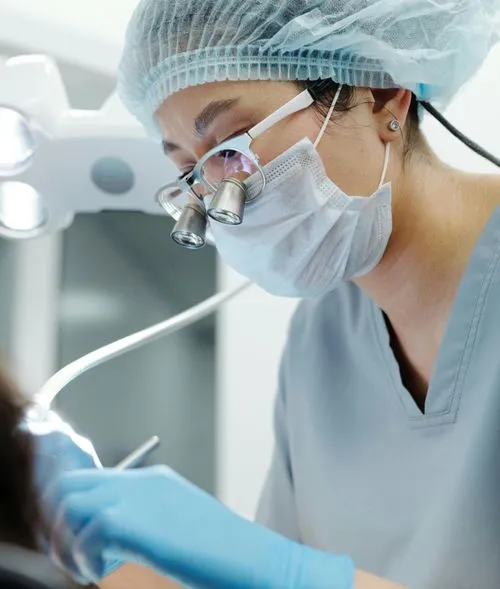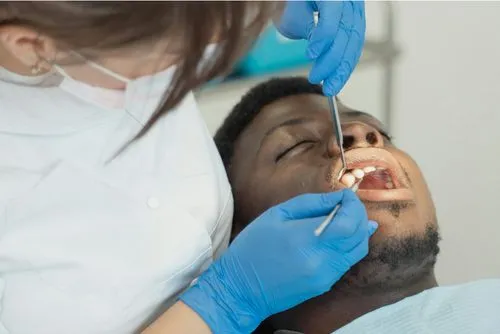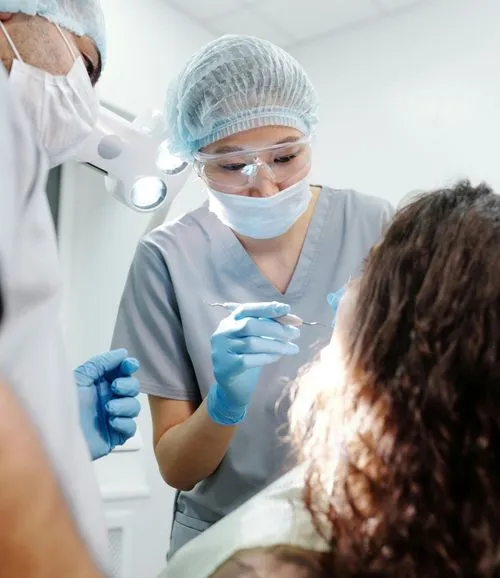
Periodontitis is a chronic inflammation of the tooth-supporting structures caused by bacteria. Statistically, about one in two adults over the age of 35 suffers from it. If left untreated, periodontitis leads to the breakdown of the tissue and jawbone that support the teeth, putting you at risk of tooth loss.
This condition affects the entire body. If bacteria enter the bloodstream, for example through the oral mucosa, it places a strain on the entire organism. The consequences: the risk of cardiovascular disease increases, the treatment of diabetes and rheumatism becomes more difficult, and pregnant women face the risk of their baby having a low birth weight.
Inflammations like periodontitis occur because the immune system reacts to bacteria and the metabolic products they secrete. The body's own leukocytes (inflammatory blood cells) migrate into the gums and release an enzyme (technically known as aMMP8) that breaks down inflamed tissue. This process is insidious and often goes unnoticed. It might start with some bleeding gums or occasional gingivitis, but eventually, it develops into periodontitis (or peri-implantitis in patients with implants): the tissue supporting the tooth detaches, periodontal pockets form, and you face the risk of tooth or implant loss.
The problem is that current standard diagnostics approved by health insurance companies focus on identifying damage that has already occurred (PSI = Periodontal Screening Index). This involves using a probe to measure the depth of the periodontal pocket. Only a reading of 3.5 millimeters or more is considered to require treatment—that is not prevention!
However, regular monitoring using a simple enzyme test—the so-called aMMP-8 test—can simplify diagnostics and ensure that it never reaches that stage. For this, a saliva sample is taken and analyzed for the activity of matrix metalloproteinase 8. If the level is too high, we can immediately work with you to initiate countermeasures to nip bone loss in the bud. This allows us to preserve your teeth and a healthy aesthetic at an early stage, reducing or even avoiding the need for extensive follow-up treatments.
Consistent cleaning of the teeth and periodontal pockets can bring this chronic condition to a standstill. The goal of the treatment is to reduce the number of bacteria in the mouth to a minimum. Thanks to Guided Biofilm Therapy®, the treatment is usually completely painless, and anesthesia is rarely required. If necessary, additional antibiotic therapy—tailored to the specific bacterial strain present—or gentle laser treatment may be indicated.

If conventional methods are not sufficient or the disease is already advanced, we perform surgical periodontitis treatment. In this procedure, we detach the gum from the tooth to clean the tooth neck and root areas thoroughly and under direct vision. Afterward, we reposition the gum against the tooth and suture it in place.
We also offer a vitamin D test to check your vitamin D levels. Studies have shown that an optimal level supports the immune system and has proven to be a helpful supplement in periodontitis treatment. We will advise you on a corresponding supplement or infusion therapy (immune boost) with an individualized plan.
As a chronic condition, periodontitis cannot be cured, but with consistent treatment and equally close follow-up care, its progression can be slowed and positively influenced. The concept of Supportive Periodontal Therapy (SPT) involves regular cleaning of teeth and periodontal pockets, check-up appointments, and a general review of your periodontal status. We would be happy to include you in our prophylaxis recall system. We will coordinate the specific interval with you personally.
If damage to the supporting tissue or jawbone has already occurred, we may be able to help you with regenerative procedures. Guided Bone Regeneration (GBR) stimulates new bone formation, while Guided Tissue Regeneration (GTR) compensates for receded gums. In our practice, we also use the PRF method, which can further promote bone and tissue regeneration.

Receding gums are not only aesthetically unpleasing (making teeth appear unnaturally long), but they can also cause mild pain because the sensitive tooth necks are exposed. These are particularly reactive to hot and cold stimuli and are more susceptible to decay. In most cases, we can help you with a gum graft. Please feel free to contact us.
Seit 2009 sorgen wir in unserer Zahnarztpraxis in Idar-Oberstein für Ihr Lächeln